How to use artificial intelligence in clinical practice without losing the part of dentistry that actually matters.
The response surprised me. I had just finished explaining how AI could improve diagnostic accuracy when I made an off-the-cuff comment: "Remember, we are treating people, not pixels." The reaction in the room was warm and immediate. In that moment I realized I had touched on something real about our profession's relationship with technology.
Dentistry is in the middle of a significant technological shift. AI now promises to improve diagnostic accuracy, simplify workflows, and even predict treatment outcomes. The question I keep coming back to is this. How do we use these tools well without losing sight of the part of dentistry that actually matters? The human connection between clinician and patient.
Move from instinct to a repeatable system for diagnosis and smile design.
The Pixel Trap: When Technology Becomes the Focus
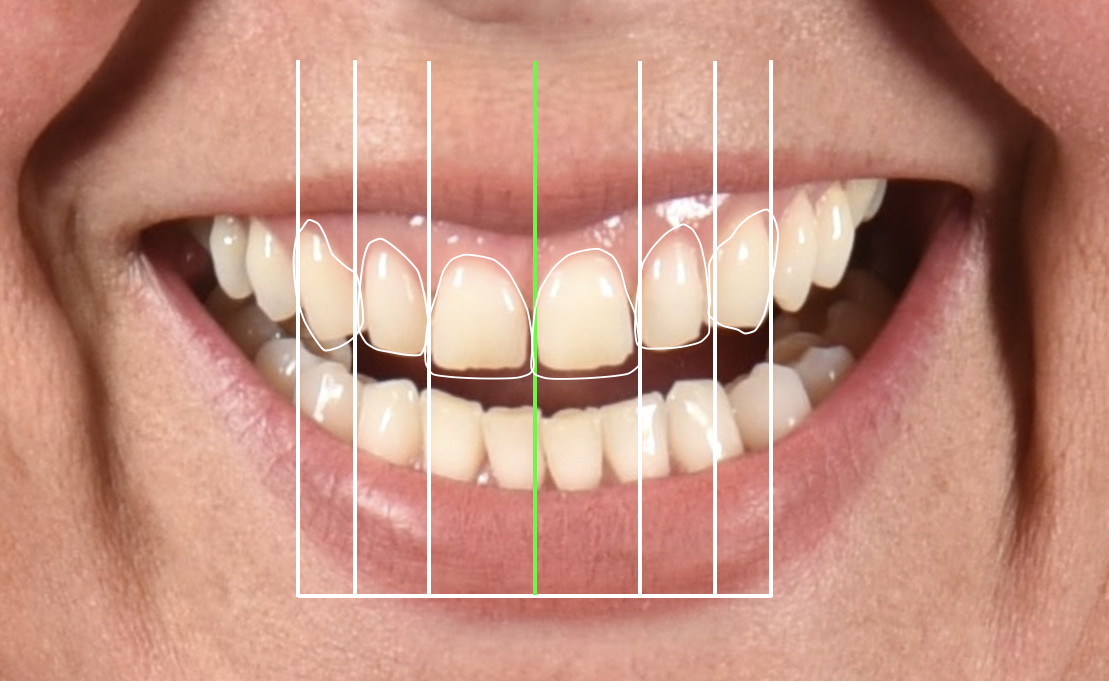
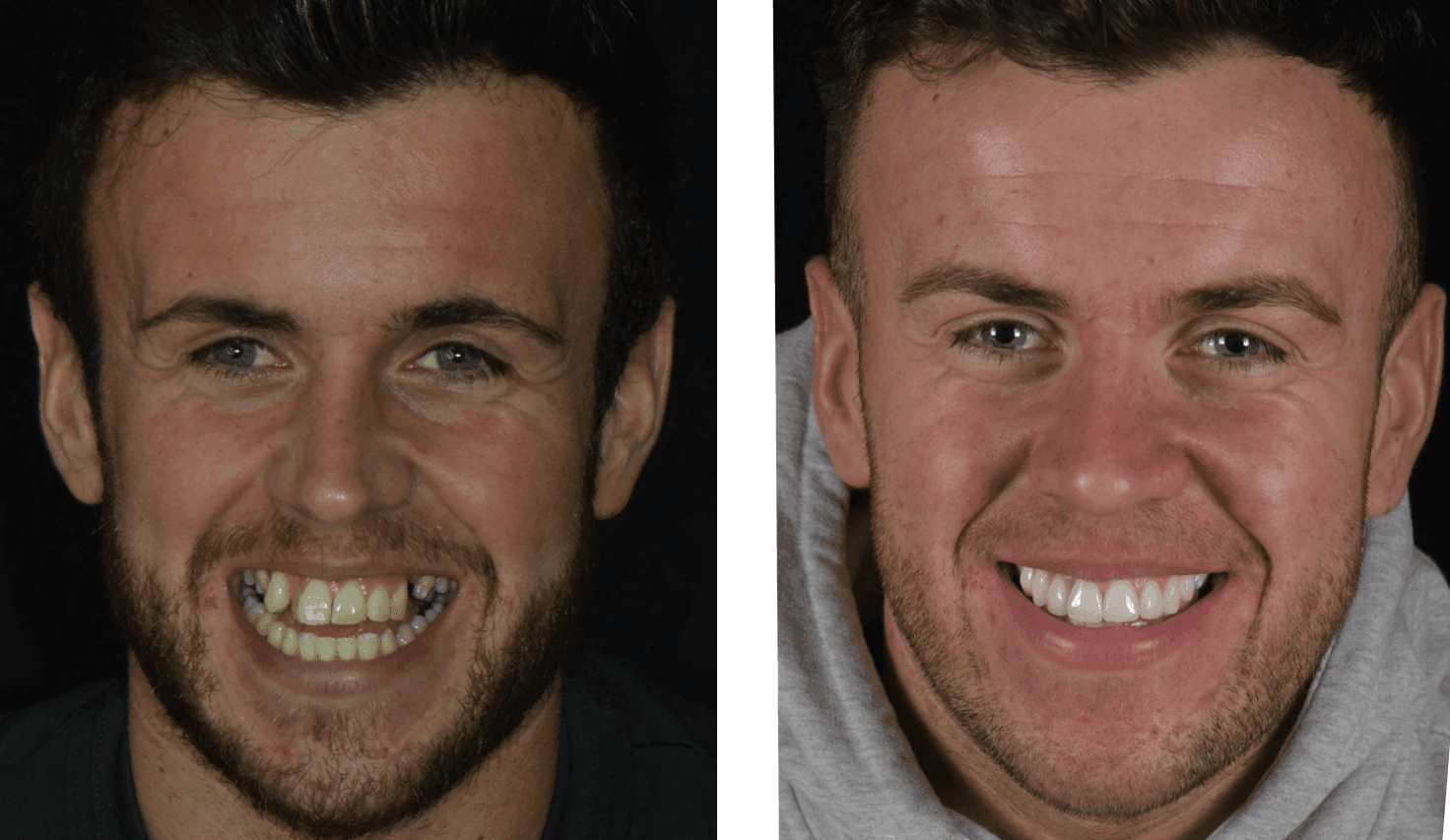
It is easy to get caught up in what AI can do. Algorithms that spot early caries more reliably than the human eye. Software that generates a smile design in minutes. Predictive models that forecast treatment success with real accuracy.
What I have noticed in practices that integrate AI well, compared with those that struggle, is this. The successful ones never let the technology become the star of the show. They understand that behind every pixel on every screen is a person who came in with hopes and worries about their smile.
The pixel trap is real. When the focus shifts to resolution, processing power, and algorithmic sophistication, the patient stops being the center of the appointment. The technology should sit quietly inside an experience that feels more personal, not less.
The Three Pillars of People-Centered AI
Working with clinicians on AI adoption, three principles keep surfacing as the ones that hold the human element at the center.
1. Diagnostic Intelligence, Not Diagnostic Dependence
AI is excellent at pattern recognition. It flags issues we might miss and gives us quantitative analysis of what we see qualitatively. The moment we stop looking at the patient and start looking only at what the AI is telling us, something has gone wrong. AI makes suggestions. Our job is to check and correct.
The clinicians I see using AI well treat it as a diagnostic partner, not a diagnostic authority. They ask, "What is this telling me about my patient's oral health story?" rather than "What does the AI say?"
That shift changes case presentations. Instead of showing patients computer-generated reports, you are sharing your reading of their situation, with technology in the background helping illustrate the clinical findings.
2. Better Communication, Not Automated Interaction
AI can help us communicate more effectively. Treatment summaries, visual aids, plain-language explanations of clinical concepts. Used well, it amplifies our voice. Used badly, it replaces it.
I have seen practices where AI-generated treatment plans feel cold and impersonal. I have also seen practices where AI helps the clinician build visual stories that make complex treatments feel understandable. The difference is who stays in the role of narrator. The clinician needs to remain the storyteller of the patient's journey.
The goal is not to have AI explain treatment to patients. It is to have AI help you explain treatment better. Clearer visuals, more complete information, and more attention to what matters most to the person in the chair.
3. Predictive Planning, Not Predetermined Outcomes
Predictive modeling is one of the more exciting AI capabilities. Software that can forecast how treatment will progress, what might come up along the way, and what results are realistic. That kind of information makes treatment planning and patient counselling stronger.
Predictions are not promises. Every patient heals differently, responds differently, and brings personal factors that no algorithm fully accounts for. AI gives us better information to have more informed conversations. It does not give us guaranteed outcomes to promote.
The clinicians who get this balance right use predictive AI to support their clinical judgment, not replace it. They present options with confidence and stay flexible enough to adapt as the treatment progresses.
Practical Integration: Making AI Work for People
So how does this look in practice? A few approaches that work well.
Start with patient needs, not AI capabilities. Before adopting any AI tool, ask how it will improve the patient experience. If the answer is only about efficiency or accuracy, look harder. The strongest AI implementations solve patient problems. Reducing anxiety. Improving understanding. Making the visit feel more comfortable.
Keep the conversation going. AI should give you more to talk about with your patient, not less. Use the output as a conversation starter. "The analysis is showing some interesting patterns in your bite. Let me show you what that means for your long-term oral health."
Hold on to decision-making authority. Patients need to know that you, not the computer, are making clinical decisions. Be open about how you use AI. Be clear that your clinical judgment guides every recommendation.
Customize the experience. Use AI's analytical power to personalize care. The same caries detection software that flags decay can also help you understand a patient's risk factors and tailor their prevention plan accordingly.
The Future Is Human-AI Partnership
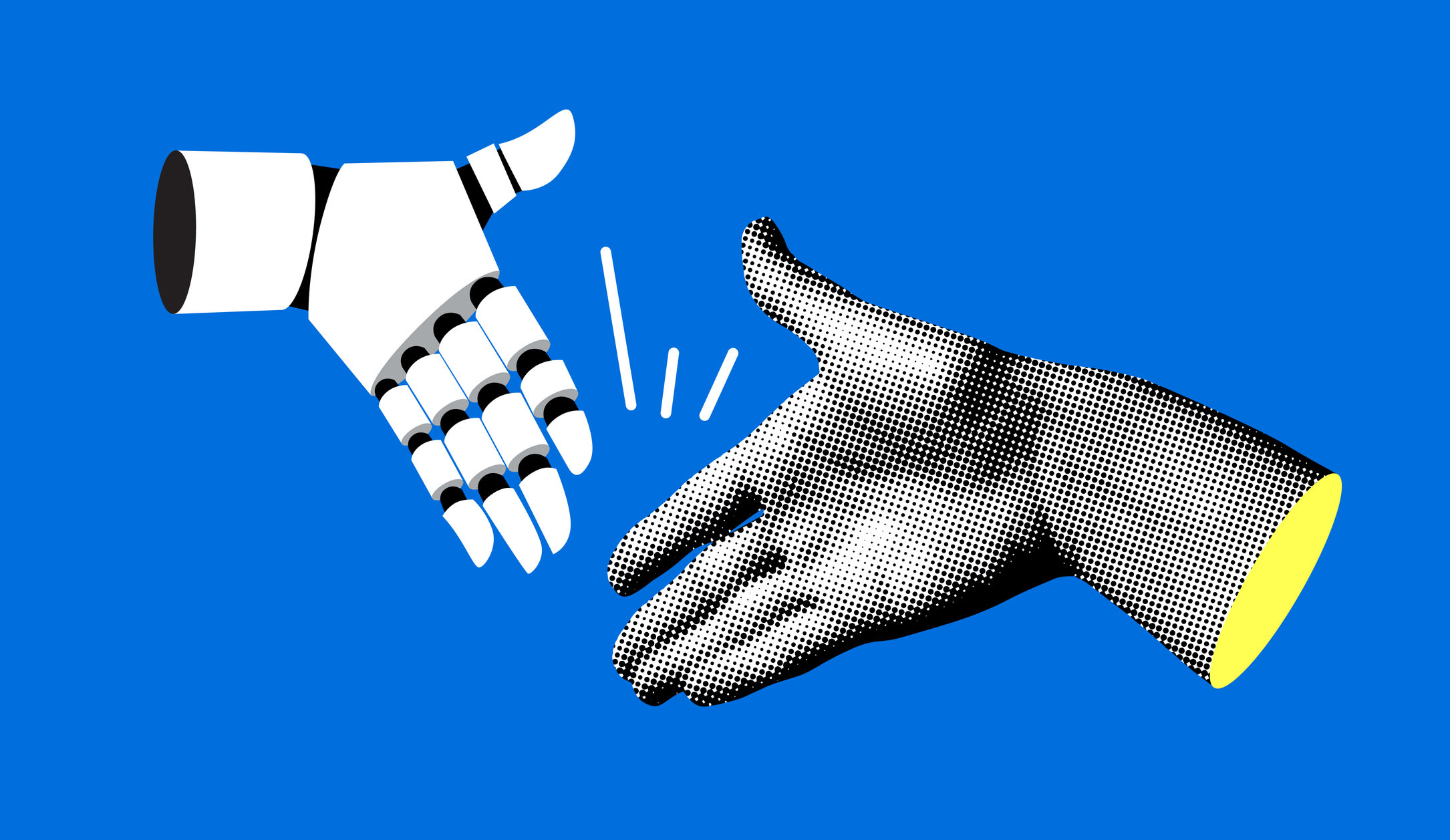
As AI gets more capable, the temptation to hand off more of the patient interaction will grow. Resist it. The future of dentistry is not a choice between human expertise and artificial intelligence. It is the combination of both, in a way that respects what each does well.
The strongest practices five years from now will not be the ones with the most advanced AI. They will be the ones using AI to become more human. More observant. More communicative. More present with their patients.
When people stay at the center of our technological evolution, something interesting happens. Patients do not just accept AI-enhanced care. They prefer it. They appreciate more accurate diagnoses, clearer explanations, and more predictable outcomes. They also want to know that behind all the technology is a clinician who sees them as a person, not a pixel.
Your Next Step
As you think about integrating AI into your practice, start with one question. How can this technology help me connect more meaningfully with my patients? If you can answer that one clearly, you are ready to use AI's power while keeping the heart of dentistry intact.
The future will not belong to the clinicians who can operate the most sophisticated software. It will belong to the ones who can combine artificial intelligence with genuine human care.
Ready to Bring AI Into Your Diagnostic Workflow with Confidence?
The Smile Analysis System opens with a one-hour on-demand module on exactly this question. AI-Driven Diagnostics: Clinical Intelligence, Not Clinical Replacement. Released as Module 1 of the six-module CE program. One CE credit. Designed to be watched the week before the live diagnostic workshop that follows.
Inside the program, you will:
-
Layer AI tools into the Capture, Organize, Distill, Present diagnostic workflow without losing the structured thinking that separates a good clinician from a great one.
-
Recognize when to trust the algorithm, when to question it, and when your own clinical observation should override it.
-
Use AI smile design tools to strengthen patient communication without replacing the clinical judgment that defines great outcomes.
-
Adopt a selective, clear-eyed approach to AI so the tools enhance your system instead of creating noise inside it.